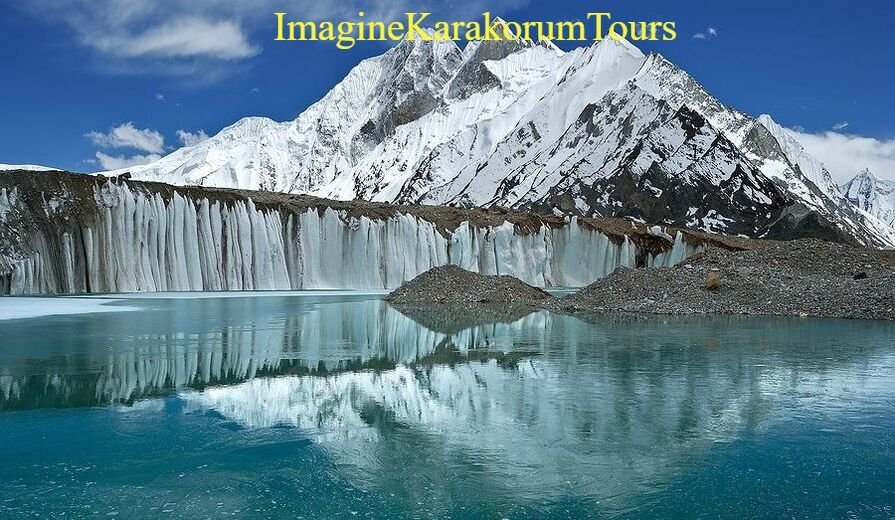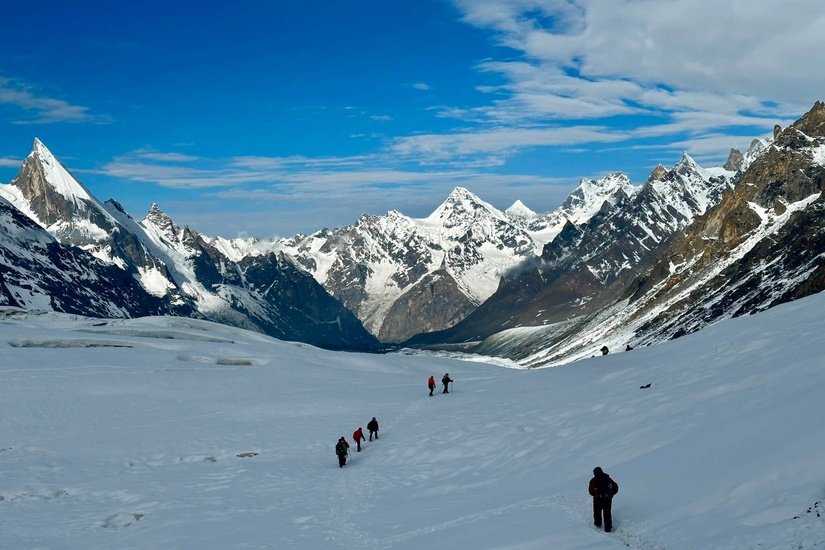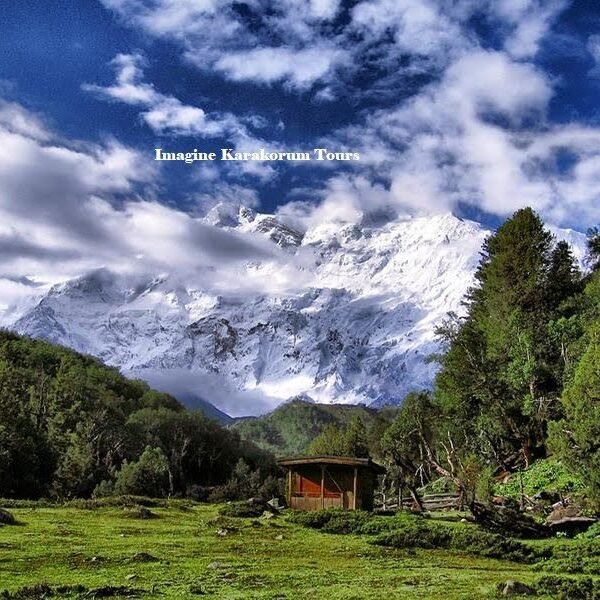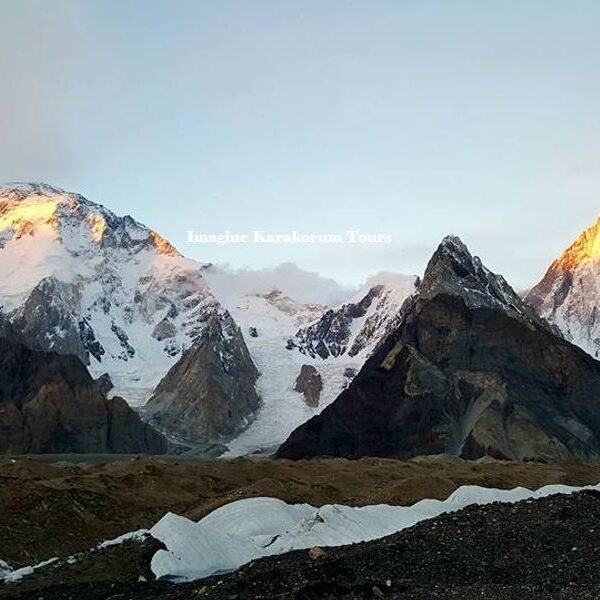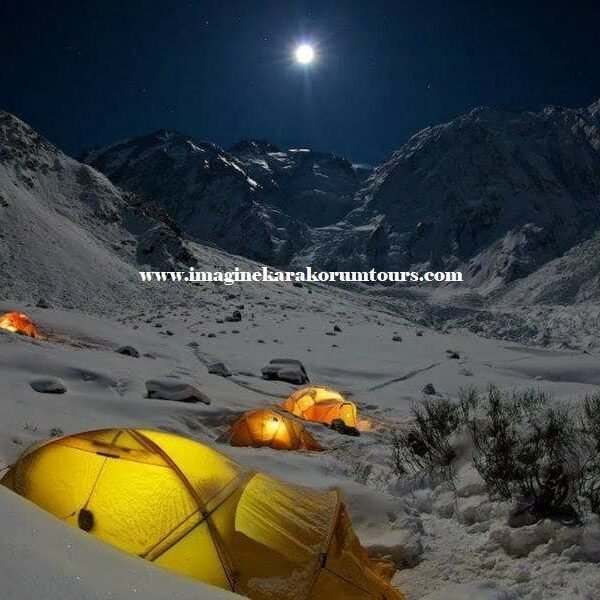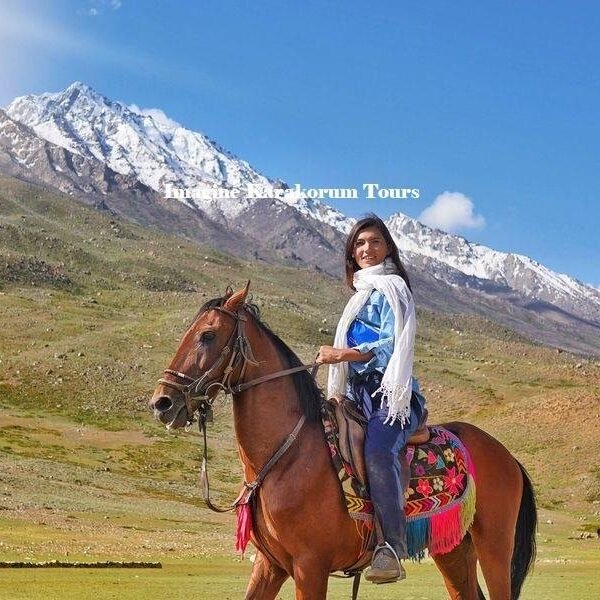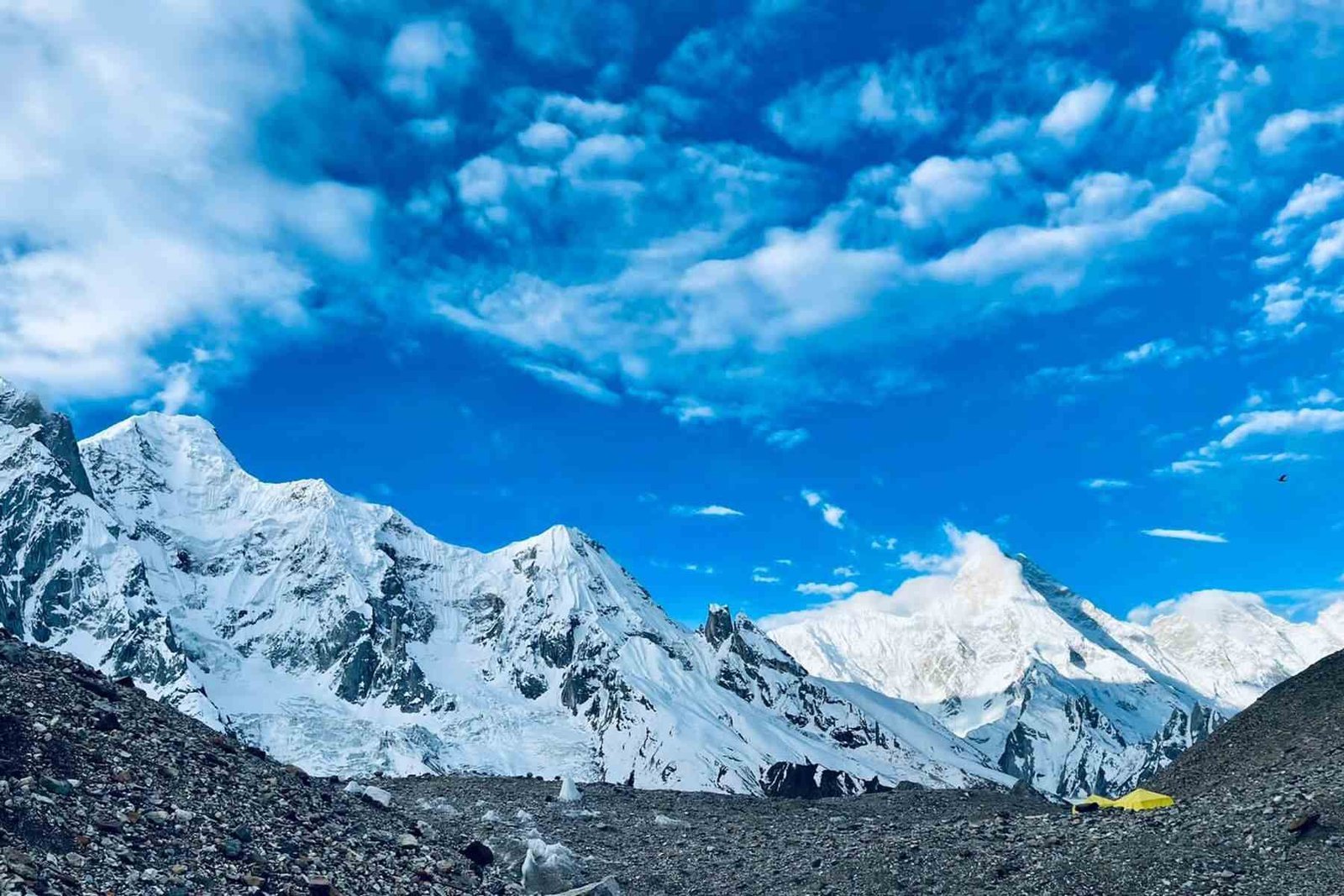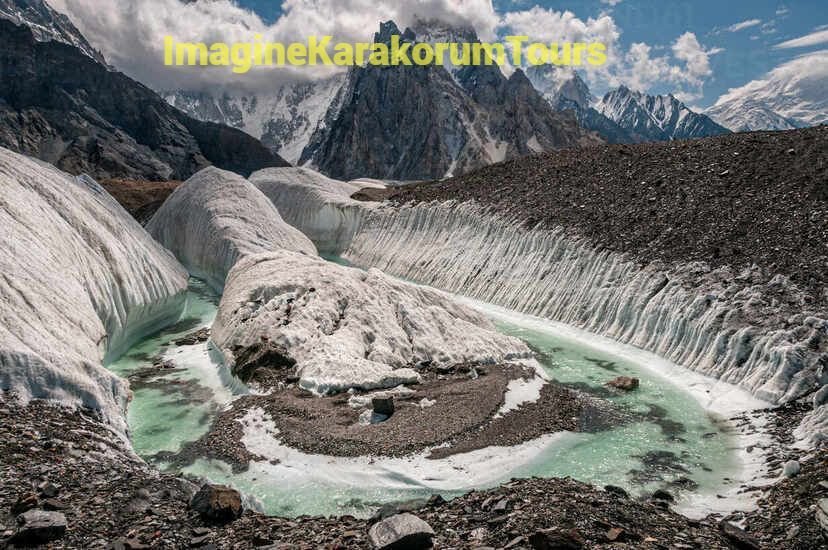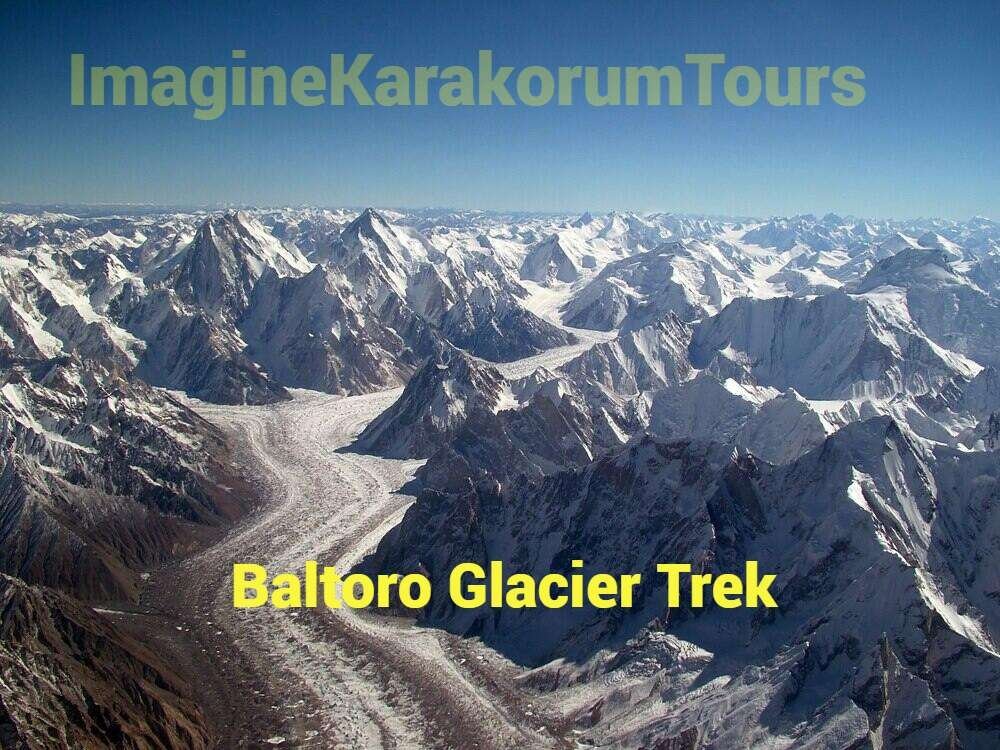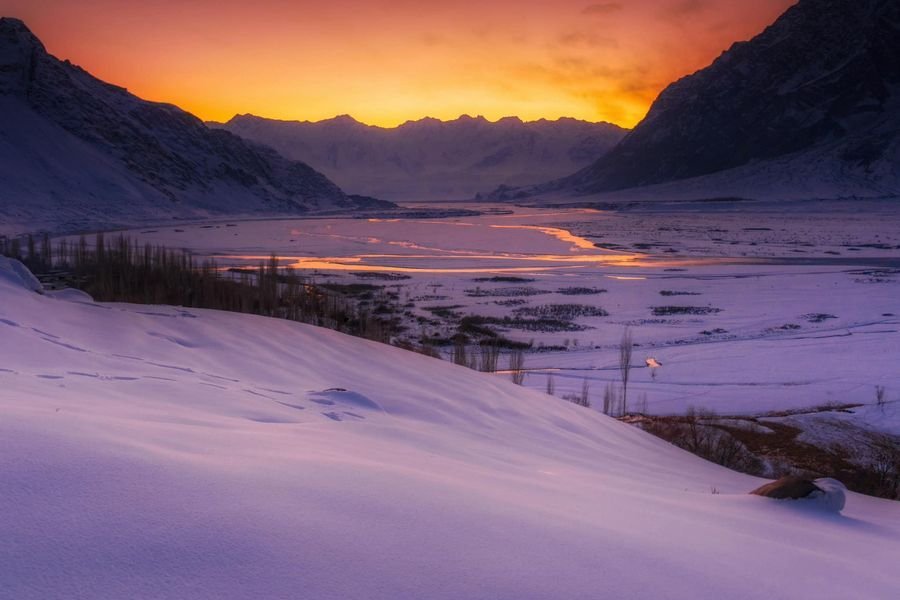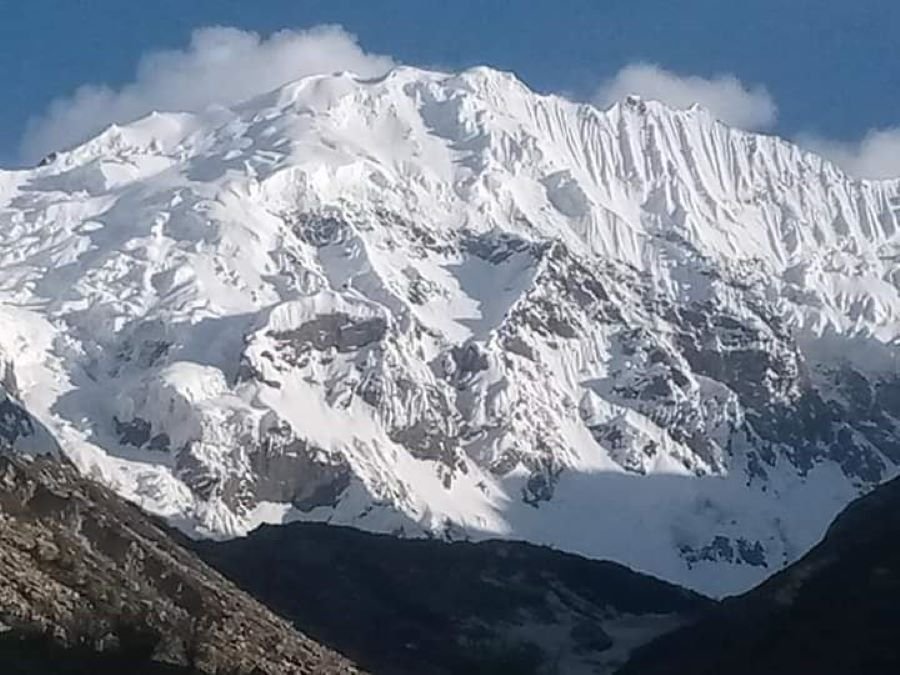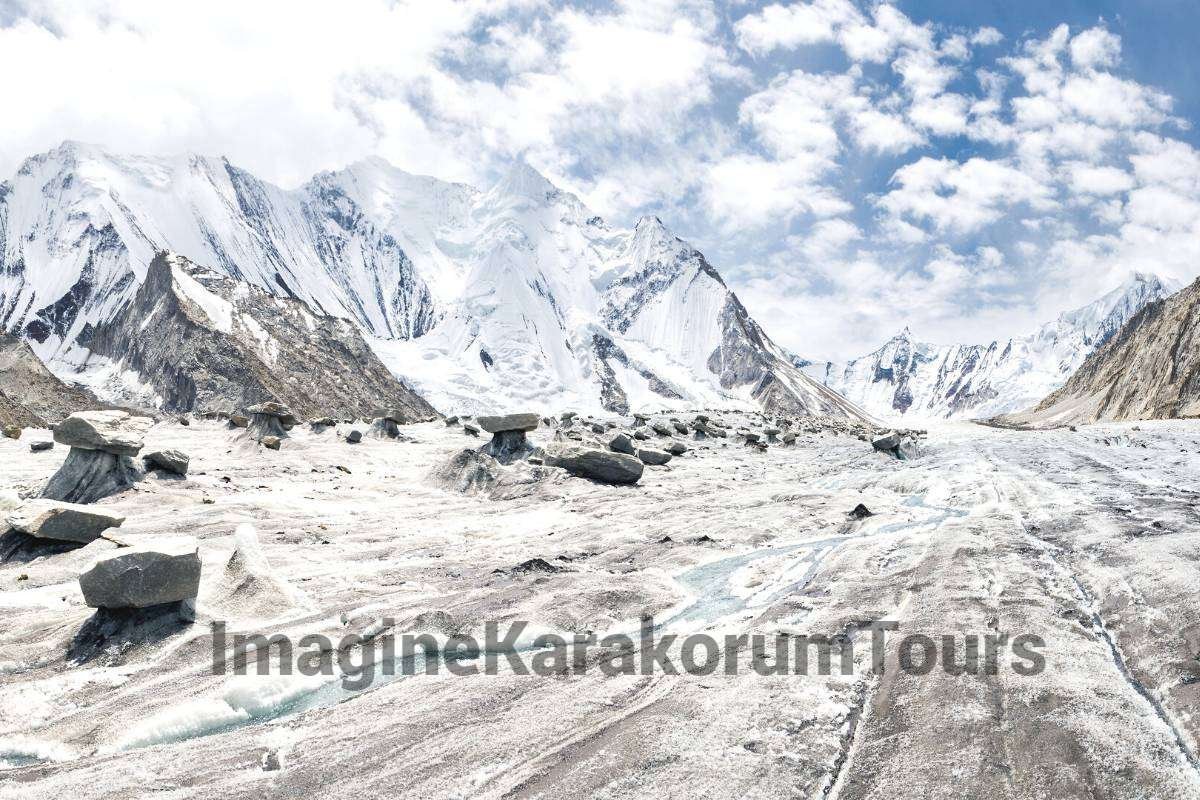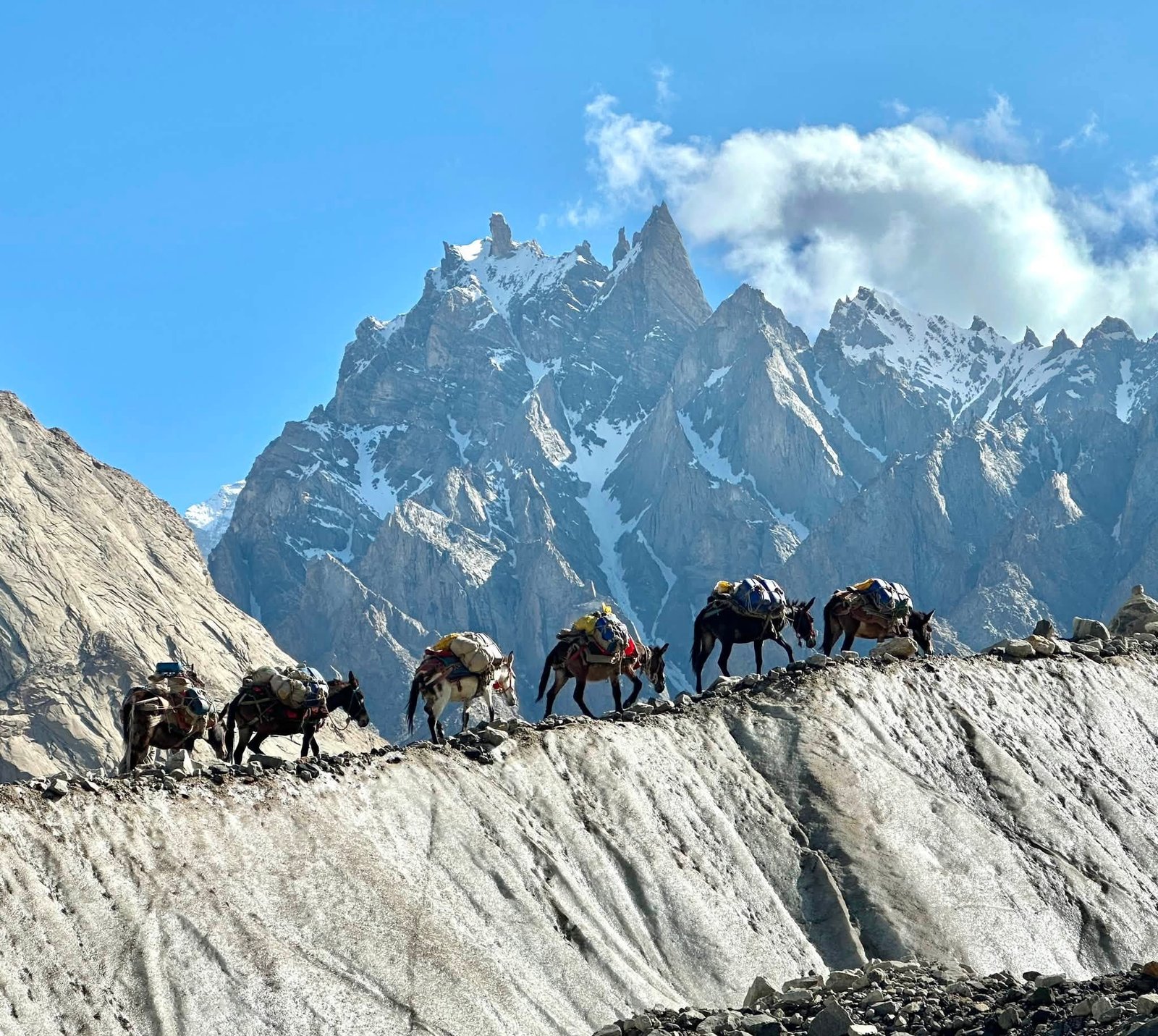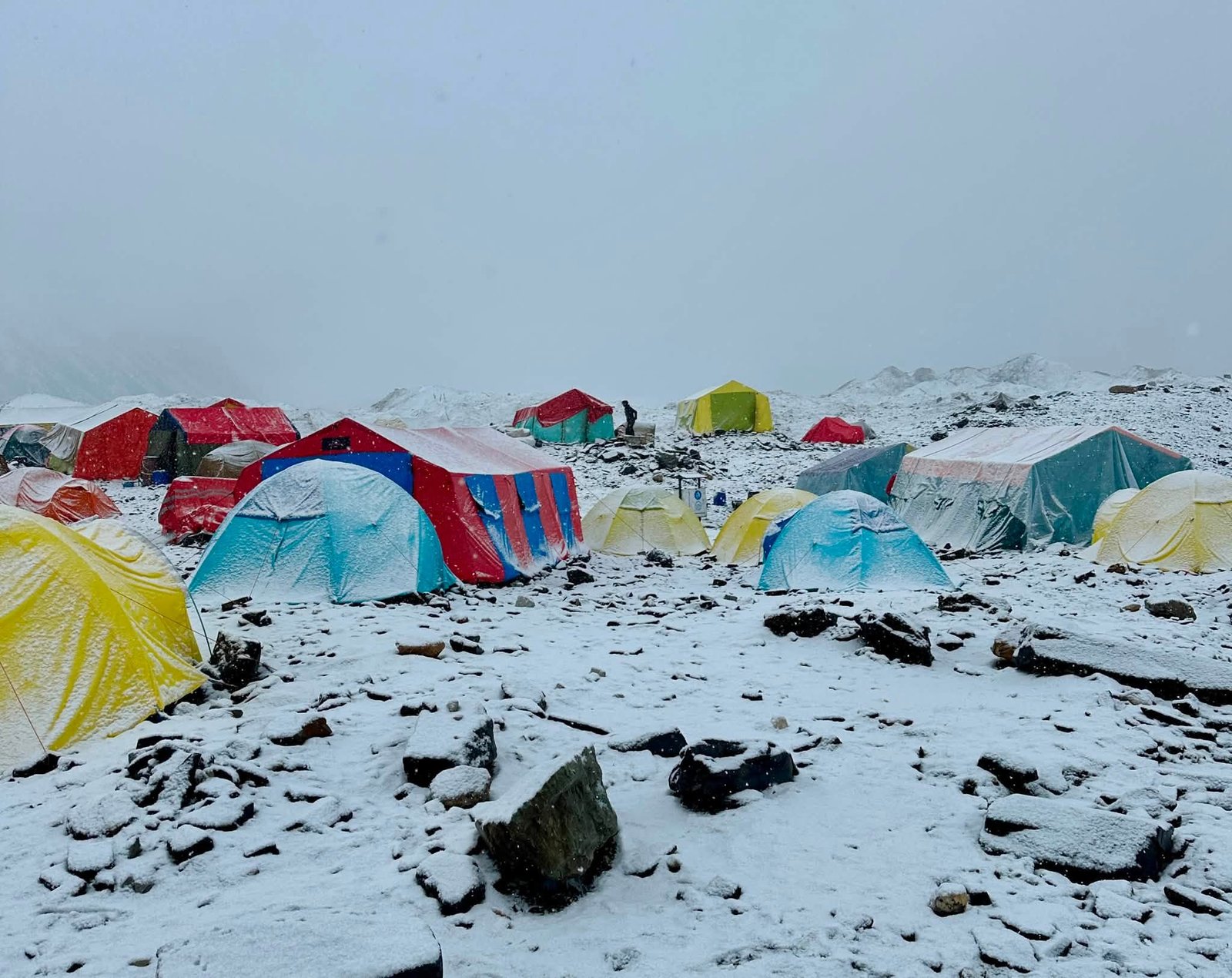

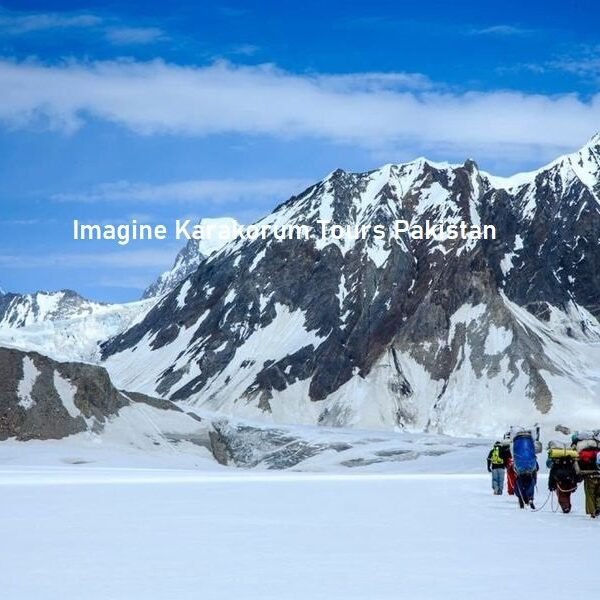
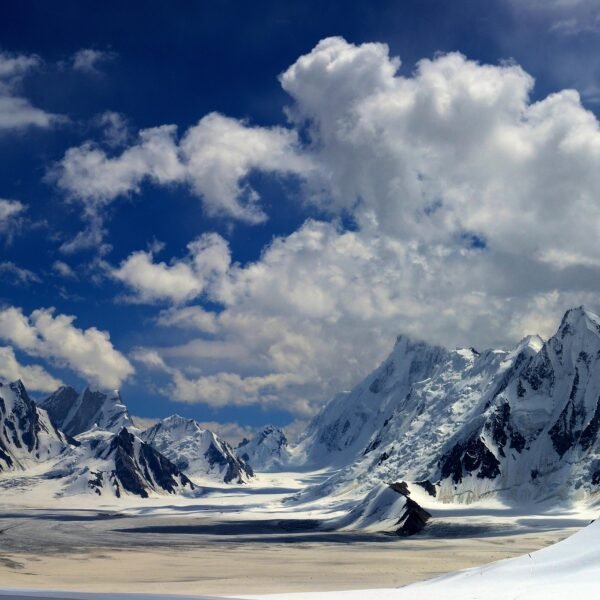
The Biafo Hisper La trek, also known as the Snow Lake trek, is considered one of the most challenging treks in the world. It’s not an easy journey, and it takes you through the Karakoram mountains. This trek mainly follows the Biafo Glacier and crosses a mountain pass into the Hisper Valley of Nagar. That’s why people call it the Biafo Hisper La Trek. The Biafo Glacier in Shigar Valley and the Hisper Glacier in Nagar Valley are the largest glaciers in the world outside the polar regions.
The Snow Lake trek is mostly done in the Shigar and Nagar valleys in Gilgit Baltistan. These valleys were once princely states, and the route we follow for the trek used to be a way for invaders to get to the Shigar Valley. The trail goes through icy areas until you reach a big snowy plain called the Snow Lake. From there, you have several passes to choose from, but the most common and famous one is the Hisper Pass, which takes you to Hisper village.
The Snow Lake & Hispar La Trek is one of the most spectacular and challenging high-altitude trekking adventures in Gilgit-Baltistan, Pakistan. This remote Karakoram expedition takes trekkers from Askole across the Biafo Glacier, through the enormous Snow Lake basin, over Hispar La Pass, and down the Hispar Glacier toward Hunza/Nagar.
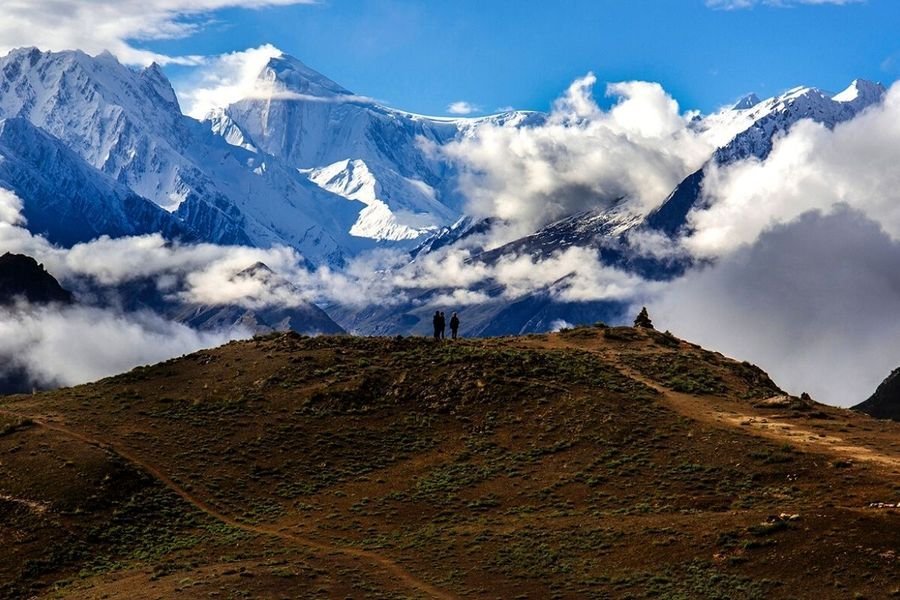
The trek is famous for its immense glaciers, dramatic peaks, remote wilderness, traditional mountain villages, and the extraordinary experience of walking across one of the world’s great non-polar glacial systems. Current trekking sources generally describe the route as a strenuous, remote glacier traverse, with itineraries commonly ranging from roughly 14 to 23 days, depending on acclimatization, weather buffers and transport arrangements.
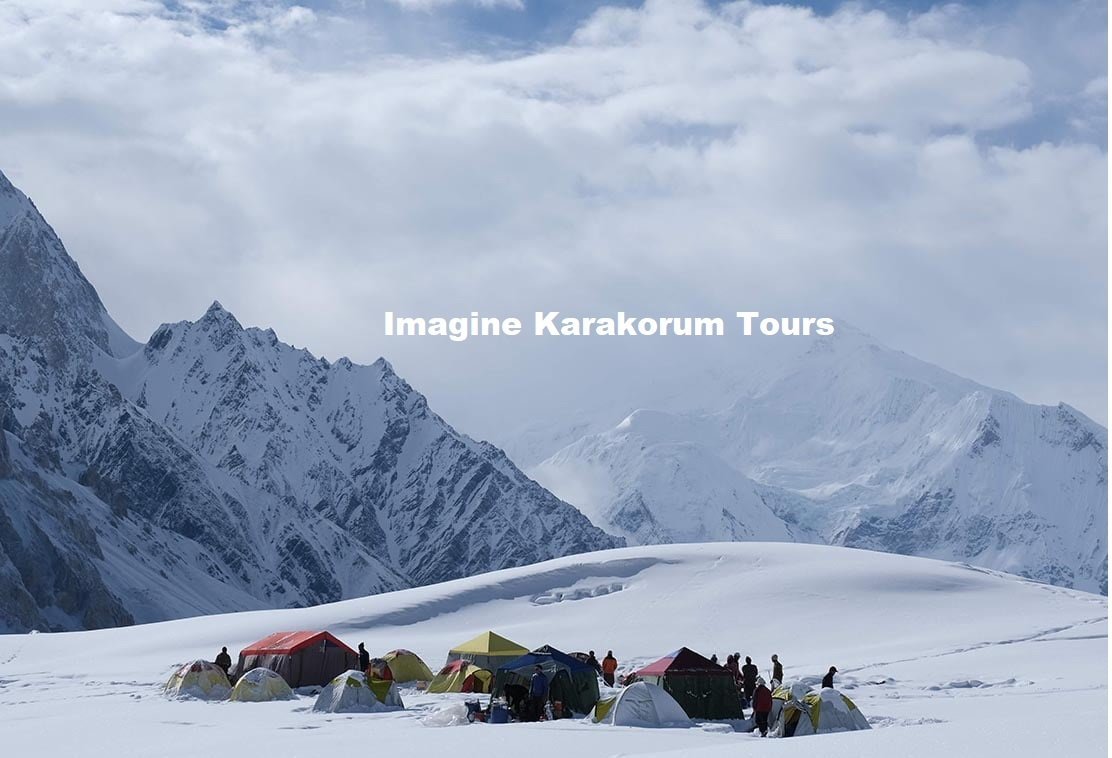
Imagine Karakorum Tours offers customized trekking arrangements for adventurers who want to explore the magnificent Karakoram through experienced local mountain guides and support staff.
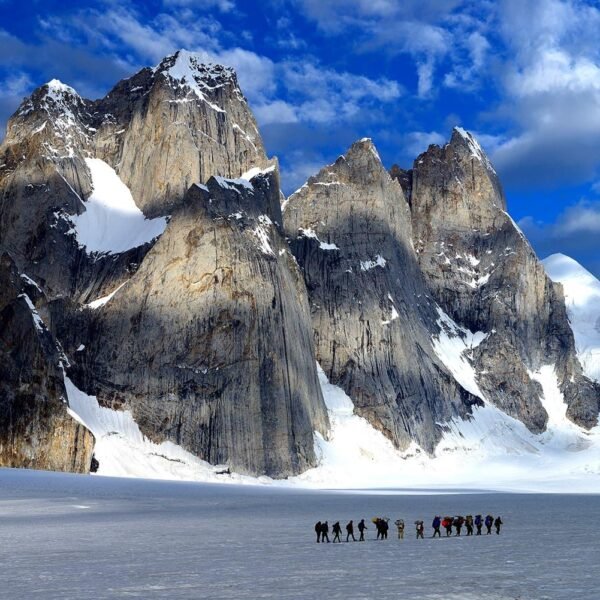
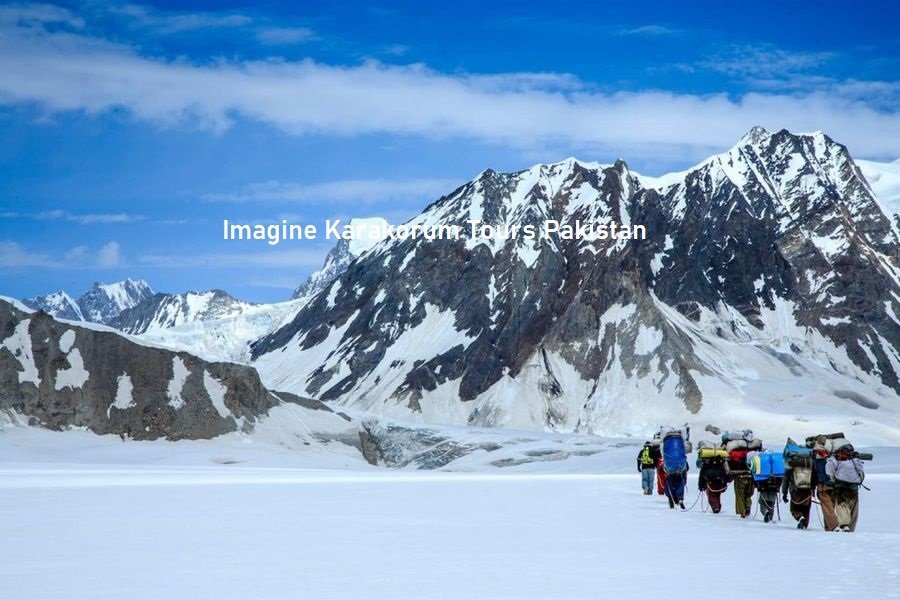
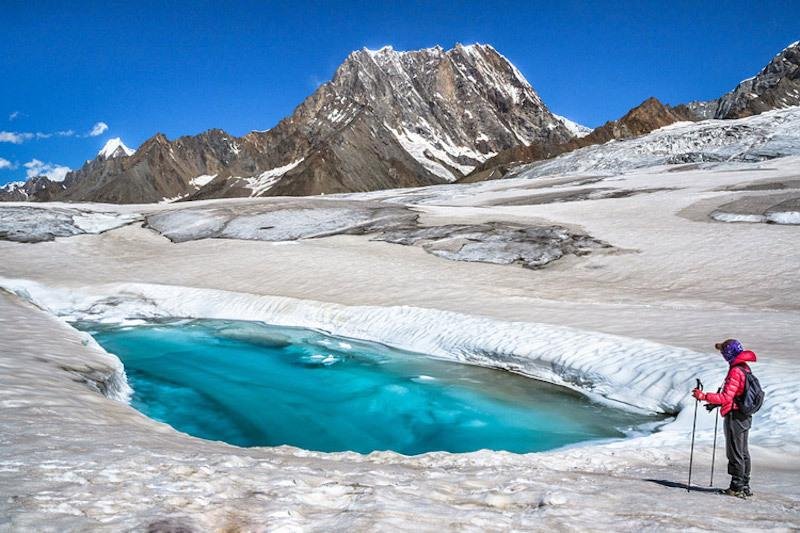
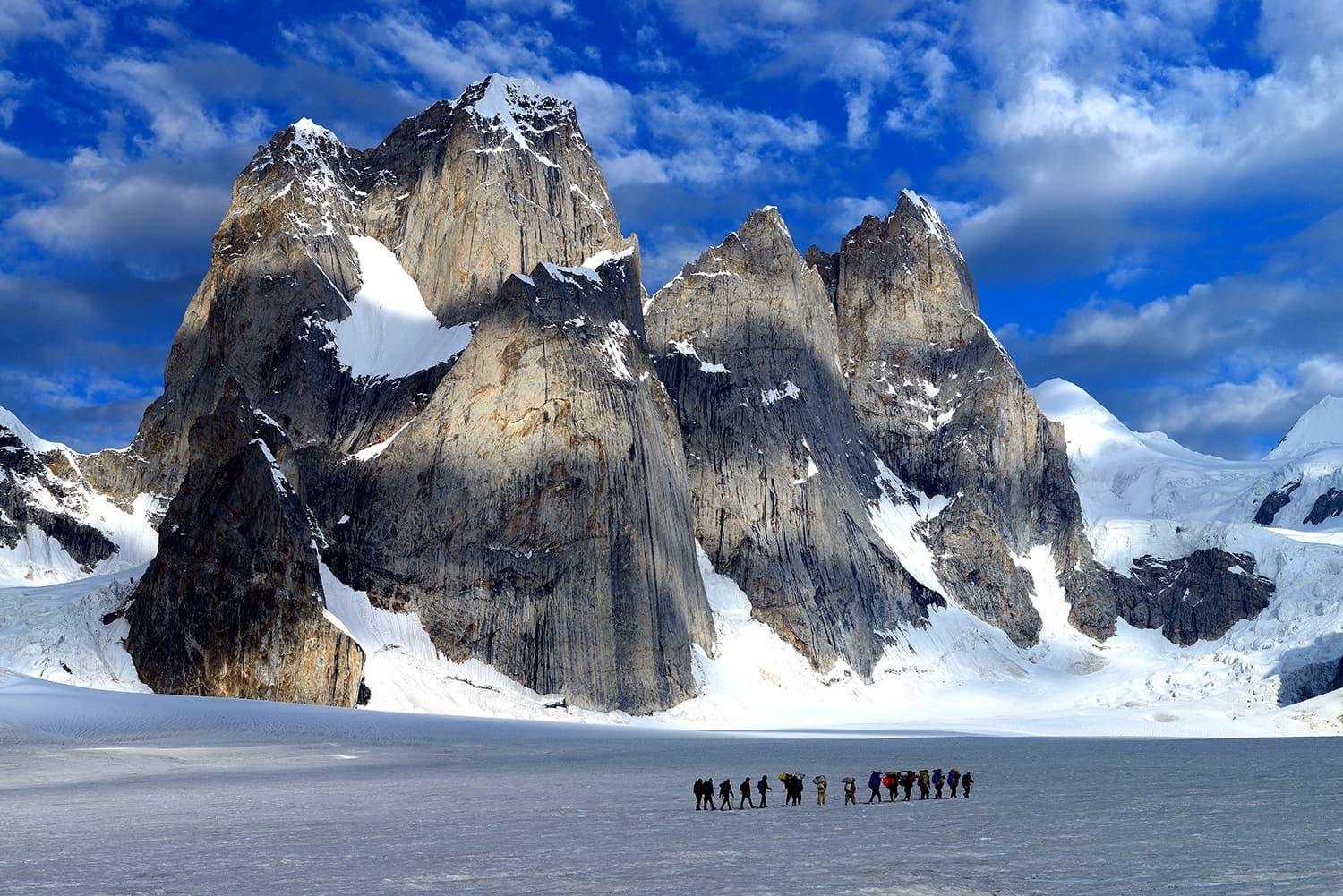
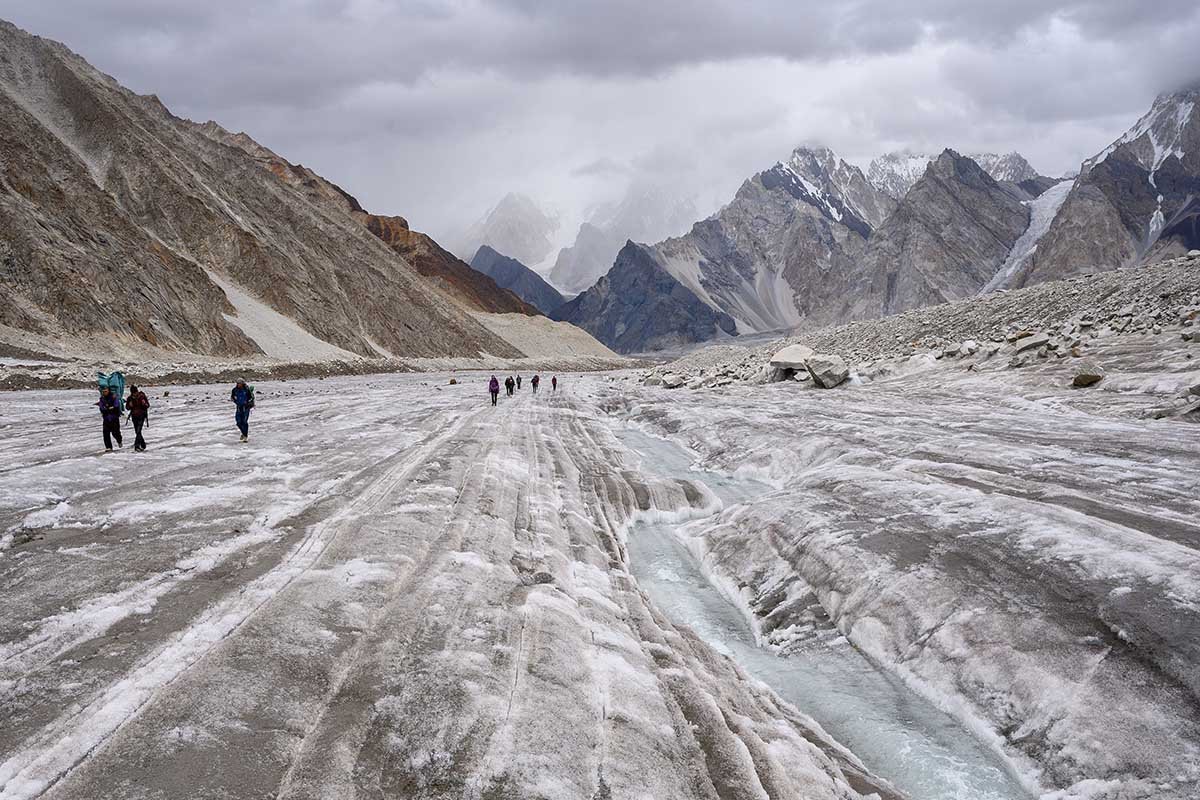
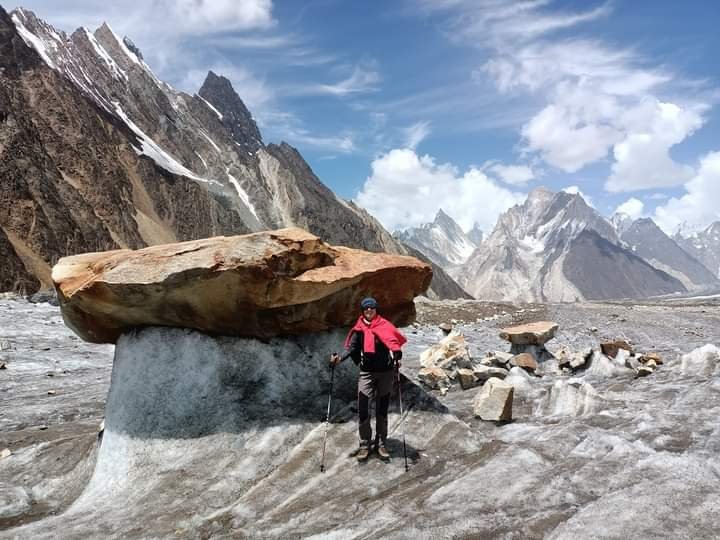
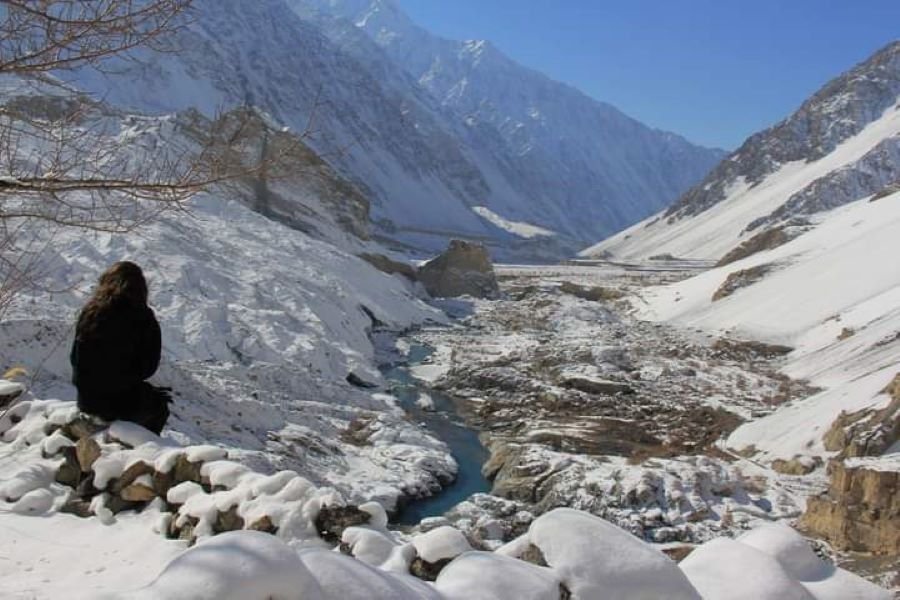
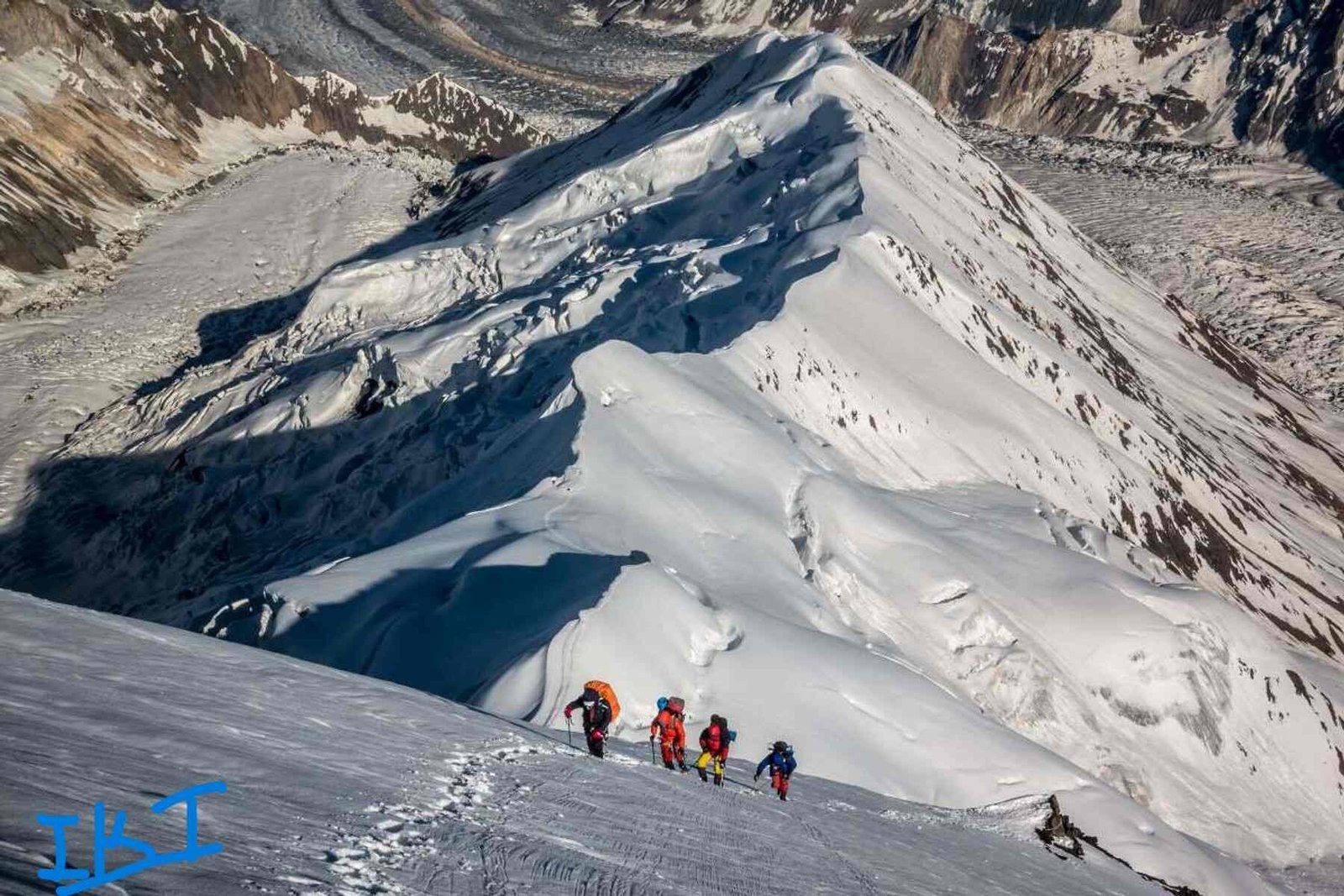
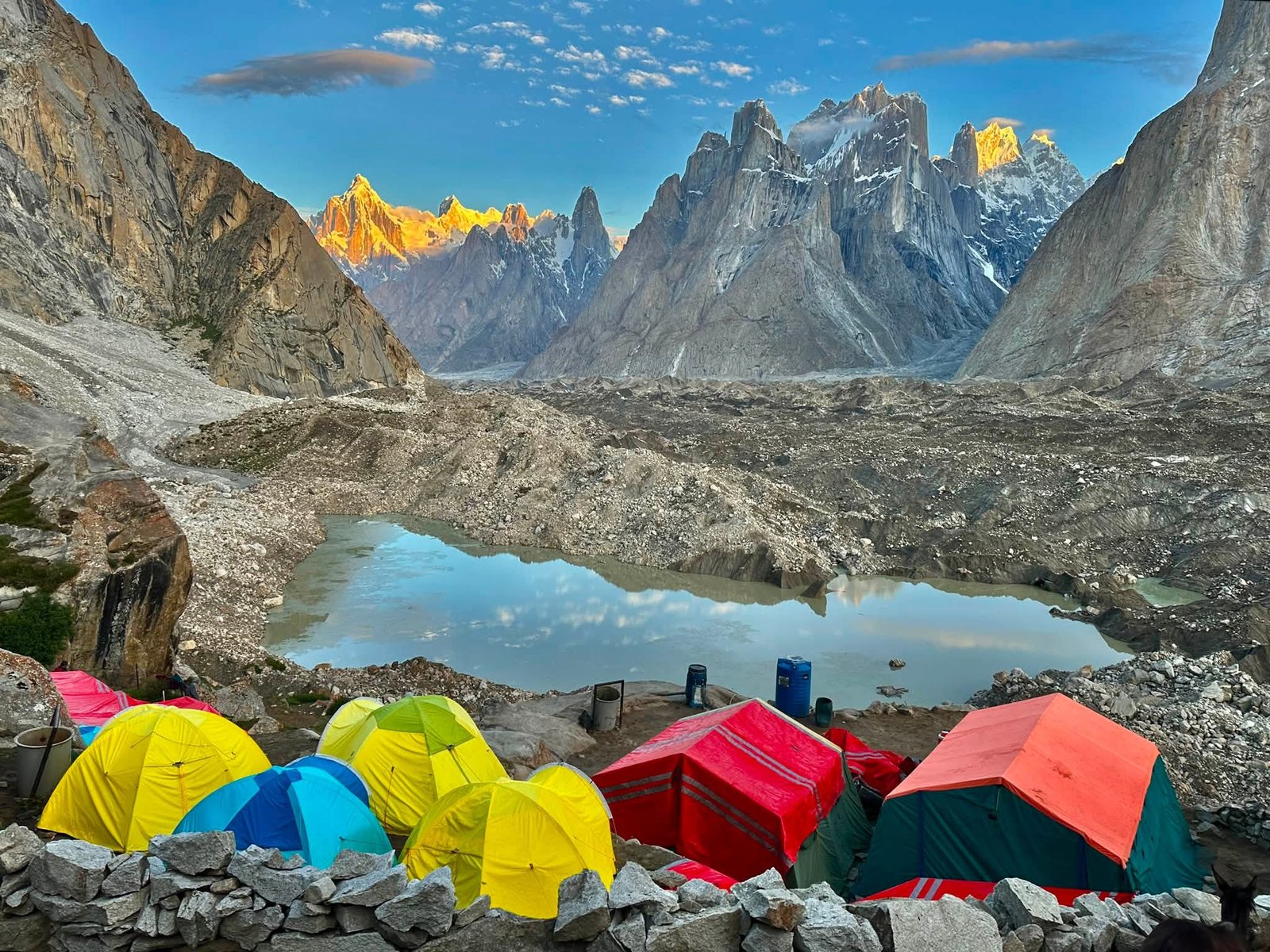
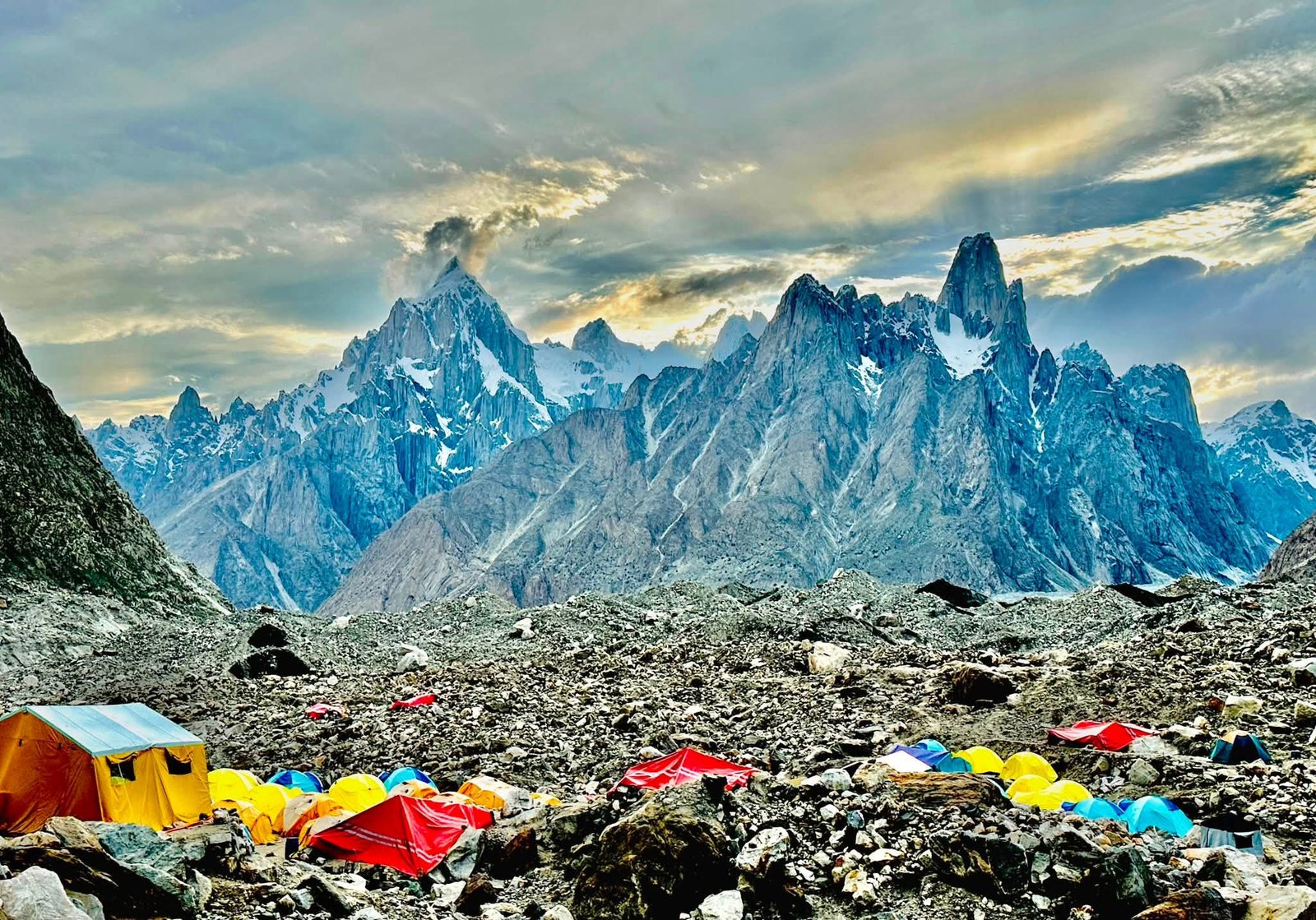
The Snow Lake trek poses its challenges due to the rugged and demanding terrain of the Biafo glacier. This glacier is known for its uneven surface and is filled with small cracks and crevasses all the way to Snow Lake. However, the breathtaking views and the natural scenery you encounter are truly heavenly. The sight of the mountain panorama at Snow Lake is absolutely worth the effort.
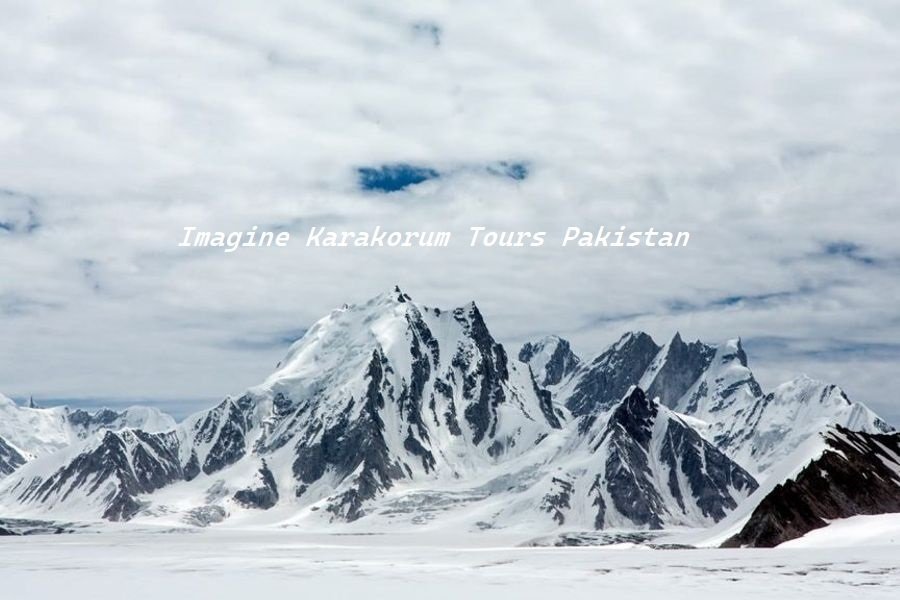
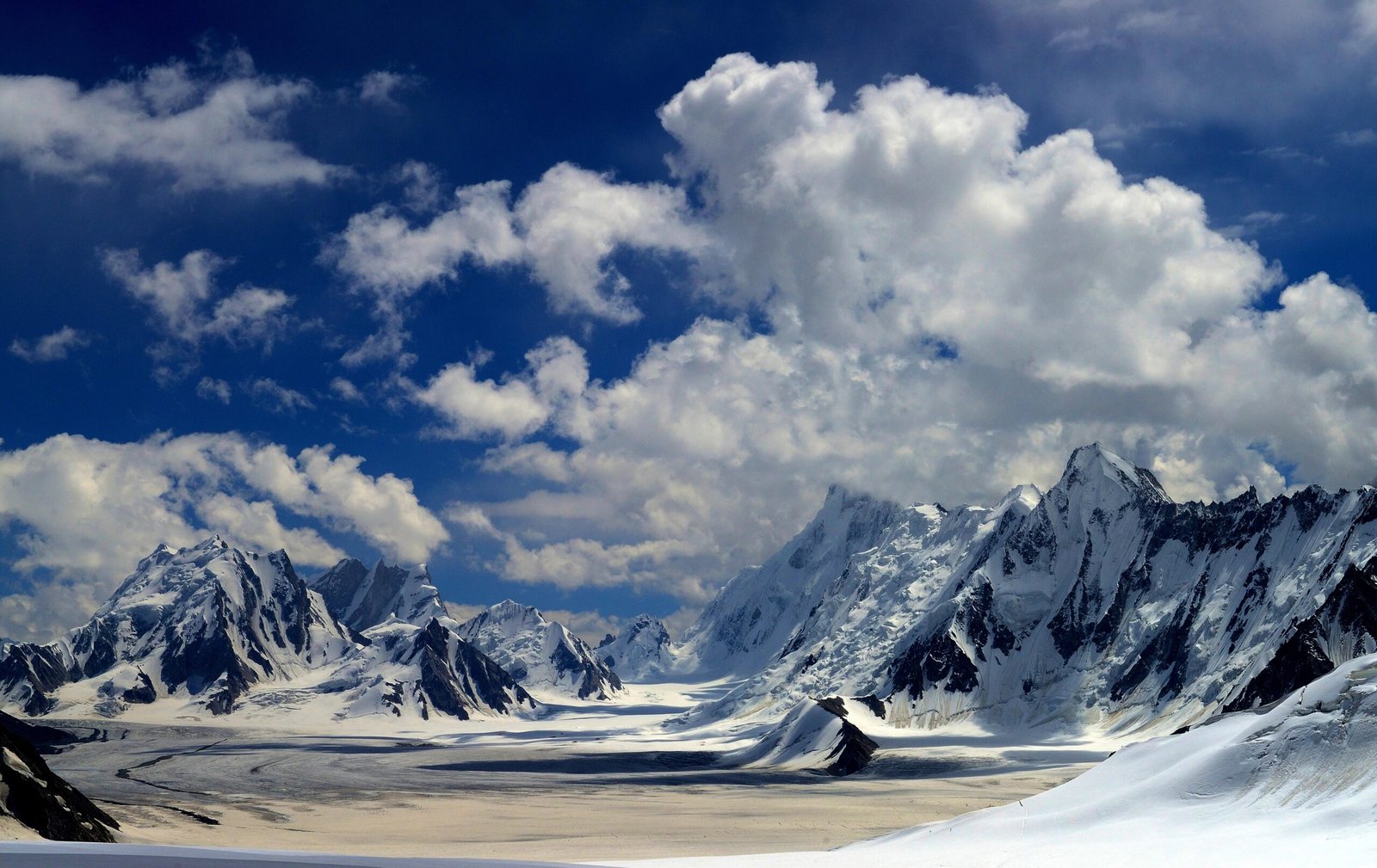
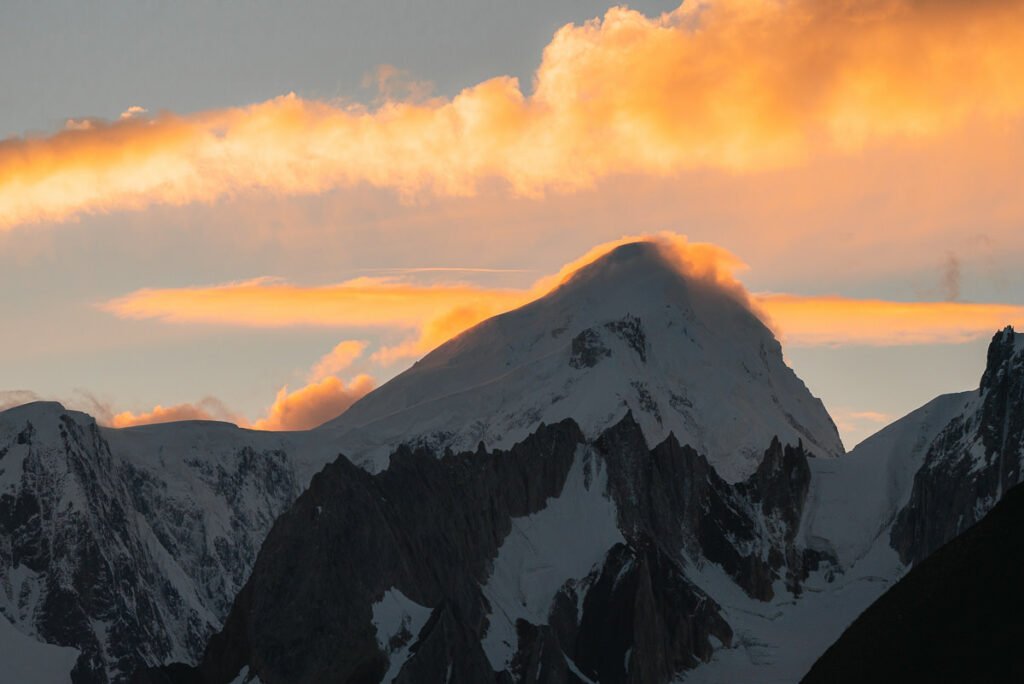
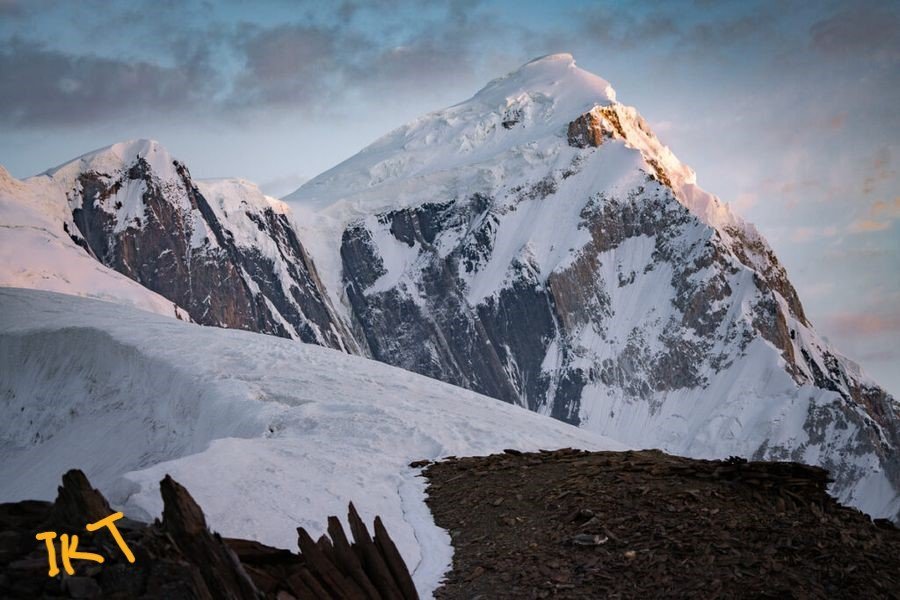
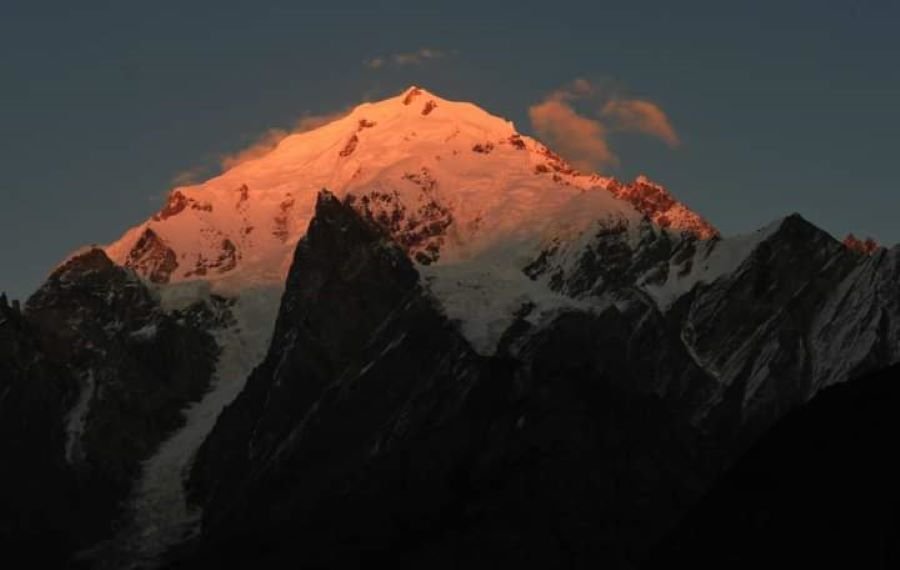
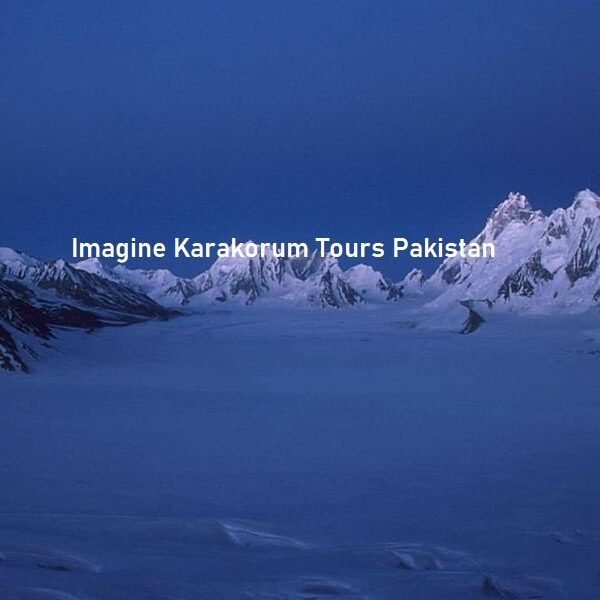
Furthermore, along this trek, you’ll come across the stunning Lattok Group, Baintha Brak, Biafo Brak (also known as Ogre), Biacherhi Peak, and numerous other peaks towering above 6000 meters. Snow Lake itself is somewhat misleading in its name; it’s not a lake but rather a high-altitude glacial basin nestled in the Karakoram Range, sitting at an elevation of 4900 meters. It spans approximately 16 kilometers in width and is situated at the point where the Biafo and Hisper Glaciers meet. This basin extends towards the Shigar Valley, positioned between Hisper La at 5150 meters and the upper Biafo glaciers.
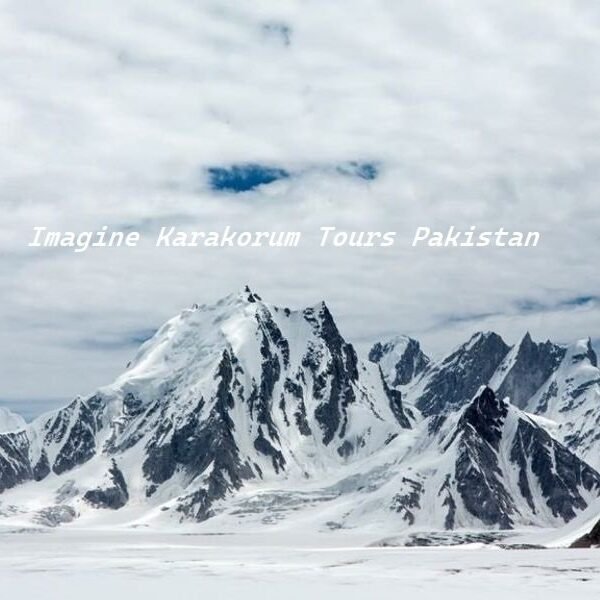
Snow Lake and the surrounding peaks offer an exceptional destination for skiers from all around the world. The icy covering at Snow Lake spans about 80 square kilometers. Interestingly, this place was given its name in 1892 by the British explorer Martin Conway.
What Is the Snow Lake & Hispar La Trek?
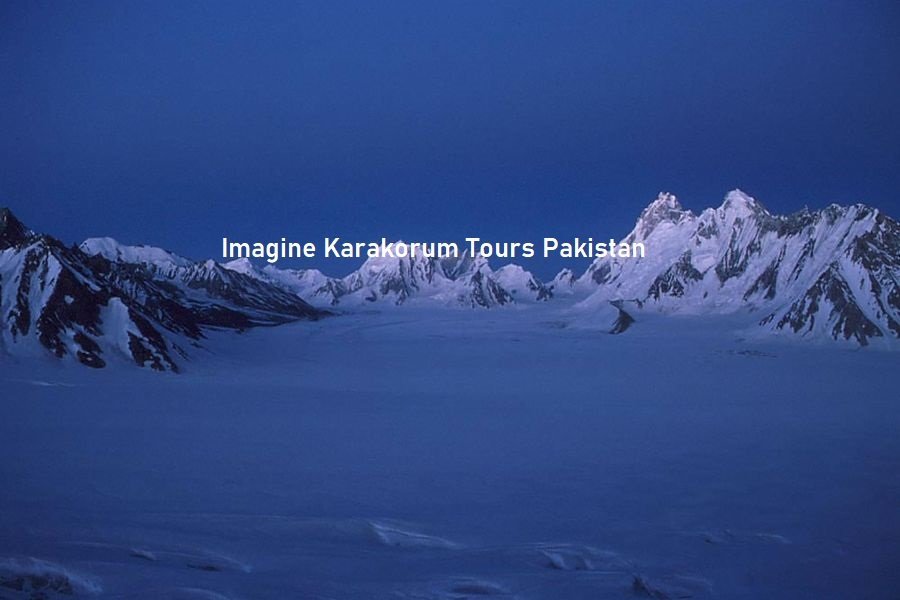
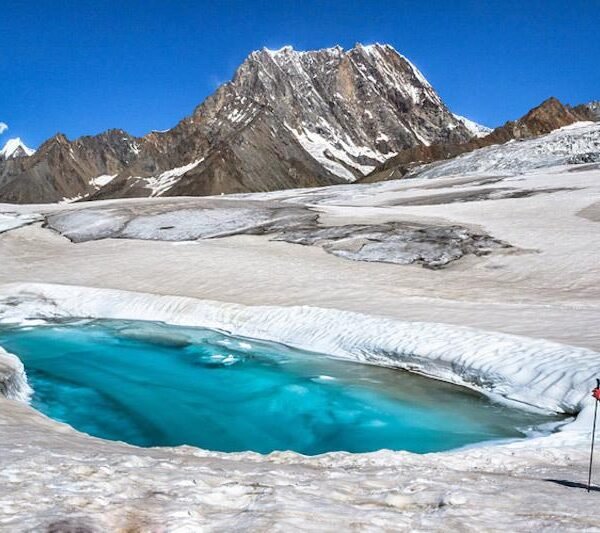
Snow Lake, also known as Lukpe Lawo, is a vast glacial basin located deep inside the Karakoram. Despite its name, it is not a conventional lake. It is an enormous high-altitude snow and ice basin where glaciers converge.
The classic trek connects the Biafo Glacier and Hispar Glacier, creating an extraordinary traverse through one of the most isolated regions of northern Pakistan.
The route generally follows:
Islamabad → Skardu → Askole → Namla → Mango → Baintha → Biafo Glacier → Snow Lake → Hispar La → Hispar Glacier → Hispar → Nagar/Hunza
The Biafo and Hispar glaciers together create a huge continuous glacial landscape, with modern trekking sources describing the combined system as approximately 100–120 km of ice, depending on how the system is measured.
K2 Trekking Holiday Packages
In addition to Snow Lake and Hispar La Trek we also have many K2 Trekking Packages with expert designed itinerary. The details of packages and cost are given in below table.
| K2 Trek Holidays | Cost USD | Cost Euro |
| Baltoro Glacier K2 Trek-20 days (All-Inclusive) | $2,100 | €1,930 |
| K2 Concordia Trek | $2,250 | €2,070 |
| K2 Basecamp Trek (All Inclusive) | $2,100 | €1,930 |
| K2 basecamp – Trek Only (14 days) | $1,690 | €1,555 |
| Four 8000m Basecamp Trek(24 days) | $2,700 | €2514 |
| K2 & Nanga Parbat Basecamp Trek | $3,000 | €2794 |
| Gondogoro La Trek (20 days) | $2,250 | €2,070 |
| Snow Lake and Hispar La Trek(21 days) | $2, 980 | €2,745 |
| Shimshal Pass Trek(19 days) | $1,950 | €1,796 |
Snow Lake & Hispar La Trek – Dates & Costs
The best time for the Snow Lake trek is during the summer months. The arrival and departure dates in the table provided indicate when you’ll be in Pakistan. These months mentioned in the table represent the optimal period for trekking in the Karakoram region of Pakistan.
| Start Date | End Date | Deposit | Cost | Availability | Registration |
| 28-June | 18-June | USD$ 500 | $2980 | Available | Book Now |
| 02-July | 22-July | USD$ 500 | $2980 | Available | Book Now |
| 08-July | 28-July | USD$ 500 | $2980 | Available | Book Now |
| 01-August | 18-Auust | USD$ 500 | $2980 | Available | Book Now |
Private groups can select their preferred dates for travel. You have the option to follow our 21-day standard trekking plan or create a personalized Snow Lake Trek itinerary with the help of our travel experts to match your specific needs. We offer fantastic discounts for groups, couples, and families, so get in touch with us before making your booking.
For Booking: Private Groups Click Here
BOOK NOW
Highlights of Snow Lake & Hispar La Trek
🏔️ Journey to Hispar La Pass (5,149m)
❄️ Exploration of the expansive Snow Lake, also known as Lukpe Lawo
🚶♂️ Trek along the Biafo Glacier, one of the world’s top three longest glaciers outside the polar regions
🌄 Circular trek leading to the picturesque Hunza Valley from the Braldu Valley
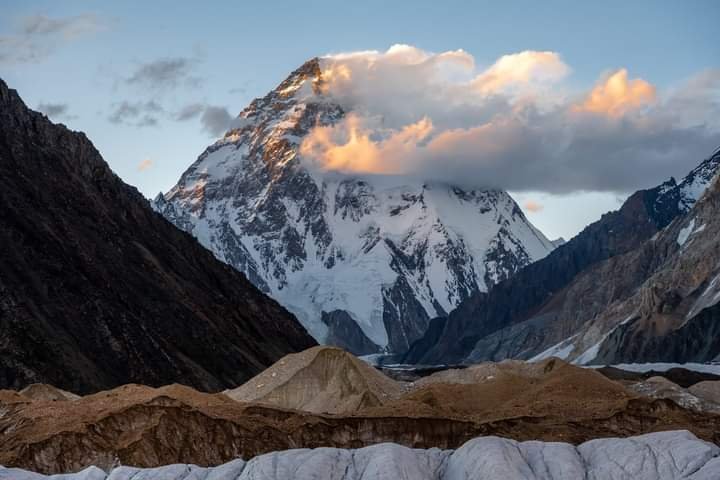
🏞️ Spectacular views of numerous peaks (5,000m to 8,000m), including the Latok group, The Ogre, Kanjut Sar, and more
🏞️ Scenic vistas of glaciers, like Kani Basi and Kunyang, glacial lakes, waterfalls, and streams
🌿 Serene meadows of Falaling Chhish
🚗 Adventure on the legendary Karakoram Highway
🏞️ Immerse in the rich culture of the Hunza Valley through a cultural tour
🏰🏙️ Explore the sights of Skardu and Islamabad
Holiday Info
Mountain Guide and Support Team
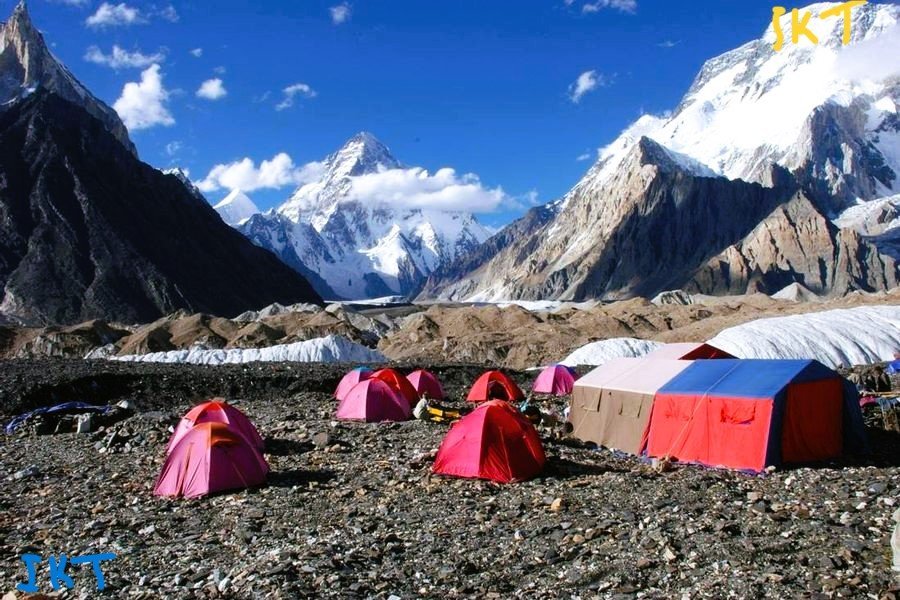
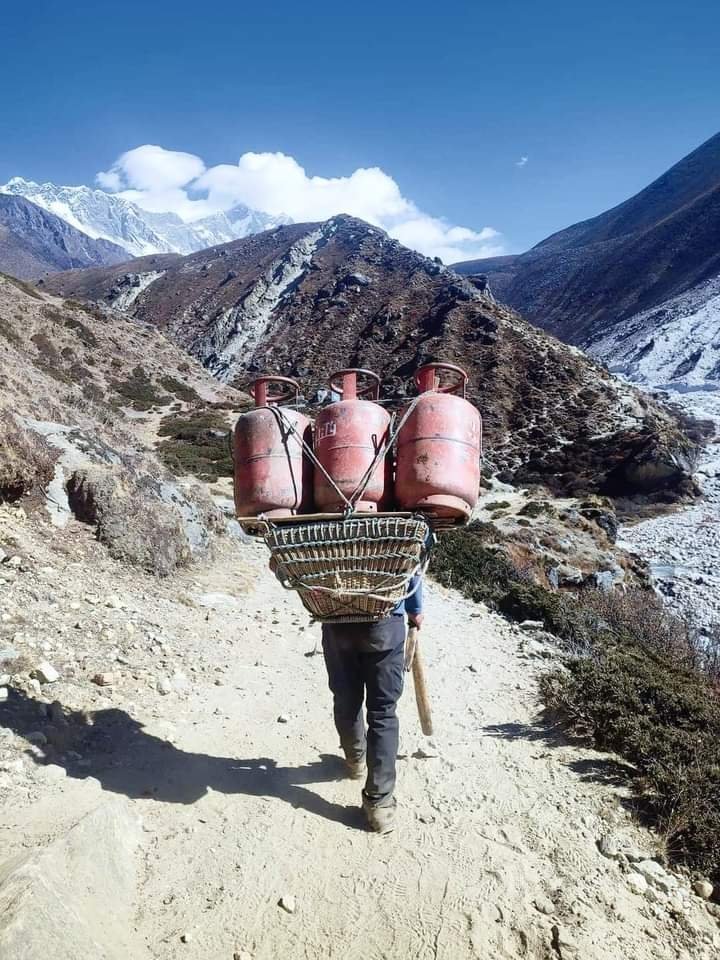
The Snow Lake – Hispar La trek in Pakistan will be led by an experienced mountain guide and a dedicated support team, including porters, cooks, and additional staff.
Altitude
When embarking on the Snow Lake trek, you will journey through high-altitude terrain in Pakistan. During the trek, you’ll reach altitudes of around 4,000 meters for 1-2 days. While the human body can adapt to various altitudes, it’s essential to follow simple acclimatization guidelines. If you plan to participate in the Snow Lake trek, it’s advisable to seek guidance on touring and trekking at high altitudes.
Climate
Between mid-June and August, the weather can be quite warm, with temperatures rising to around 40°C in Islamabad and Gilgit, and approximately 25°C in the Baltistan region. Generally, the Karakoram region enjoys favorable weather during the summer, characterized by clear blue skies and minimal rain or snow. However, predicting weather in these mountainous areas is challenging, and brief storms can occur unexpectedly.
Why Choose Snow Lake & Hispar La Trek?
1. Explore the Remote Karakoram
Unlike the more frequently visited K2 Base Camp route, the Snow Lake trek takes you deep into an extremely remote mountain environment where there are few settlements and limited infrastructure.
2. Cross the Biafo Glacier
The Biafo Glacier becomes your route into the heart of the Karakoram. The scenery changes from rocky mountain trails to vast fields of ice, snow and glacial moraine.
3. Experience Snow Lake
Snow Lake is one of the major highlights of the entire trek. The enormous white basin surrounded by high Karakoram peaks creates an unforgettable landscape.
4. Cross Hispar La
At approximately 5,150 metres, Hispar La is the highest point of the trek. Reaching the pass requires good acclimatization, careful glacier travel and suitable weather conditions.
5. Discover the Hispar Glacier
After crossing the pass, the route descends through the Hispar Glacier toward the Hispar Valley and eventually the greener valleys of Nagar and Hunza.
6. See Legendary Karakoram Peaks
Depending on the route and weather, trekkers can experience spectacular mountain scenery around peaks and groups including Baintha Brakk (The Ogre), Latok, Kanjut Sar and Distaghil Sar.
Snow Lake Hispar La Trek Difficulty
The Snow Lake Hispar La Trek is a strenuous high-altitude trek and should not be treated as an ordinary hiking trip.
The difficulty comes from several factors:
- High altitude
- Long trekking days
- Glacier travel
- Crevasses
- Rocky moraine
- Snow and ice
- Unpredictable mountain weather
- Remote camping
- Limited communication
- Long periods away from villages
- Crossing Hispar La at around 5,150 m
Some current route descriptions specifically characterize it as a serious glacier traverse requiring experienced guides and appropriate glacier equipment.
Who Can Do This Trek?
This trek is best for:
- Experienced trekkers
- Mountaineers
- Adventure travelers
- People with strong cardiovascular fitness
- Trekkers comfortable with multi-day camping
- People who have previous high-altitude trekking experience
Previous experience on routes such as K2 Base Camp, Gondogoro La, Snow Lake approaches, Spantik or other high-altitude treks can be helpful.
Best Time for Snow Lake & Hispar La Trek
The main trekking season is generally late June through early September. Some operators extend their schedules beyond this period, but weather, snow conditions and glacier safety can significantly affect the route.
June
Early-season conditions can include significant snow and difficult glacier crossings. Weather conditions should be carefully assessed before departure.
July
July is generally one of the preferred months for high-altitude trekking in the Karakoram, although mountain weather remains unpredictable.
August
August can provide excellent trekking conditions, particularly for experienced groups, but monsoon-related weather can affect access and flights in some areas.
September
Early September can still be suitable, but conditions can become more unpredictable as the season progresses.
Important: Exact departure dates should be confirmed according to current glacier, weather, road and local safety conditions.
You are here to welcome you…………………………..
For more details please contact us..
Mail : info@imaginekarakorumtours.com
WhatsApp : +92 0344 6253054
Social Media : Facebook Instagram Twitter